Om Gorra

Diseñado y vendido por PromoteProgress
29,39 US$
29,39 US$
 Devoluciones fáciles¿Hay algún problema? No importa, te lo solucionamos.
Características del producto
- Una gorra holgada de estilo polo que ya no es solo para padres
- Corona desestructurada, de perfil medio-alto y visera ligeramente curvada
- Cierre con hebilla para ajustar
- Todos los colores son 100 % algodón y el peso del tejido es de 240 g/m²
- Compuesta de cinco paneles, con panel doble al frente para facilitar impresión
- Talla única, para mayores de 13 años
- Limpiar con un paño húmedo
- Dado que cada producto está hecho solo para ti por imprentas independientes locales, es posible que haya ligeras variaciones en el producto recibido.

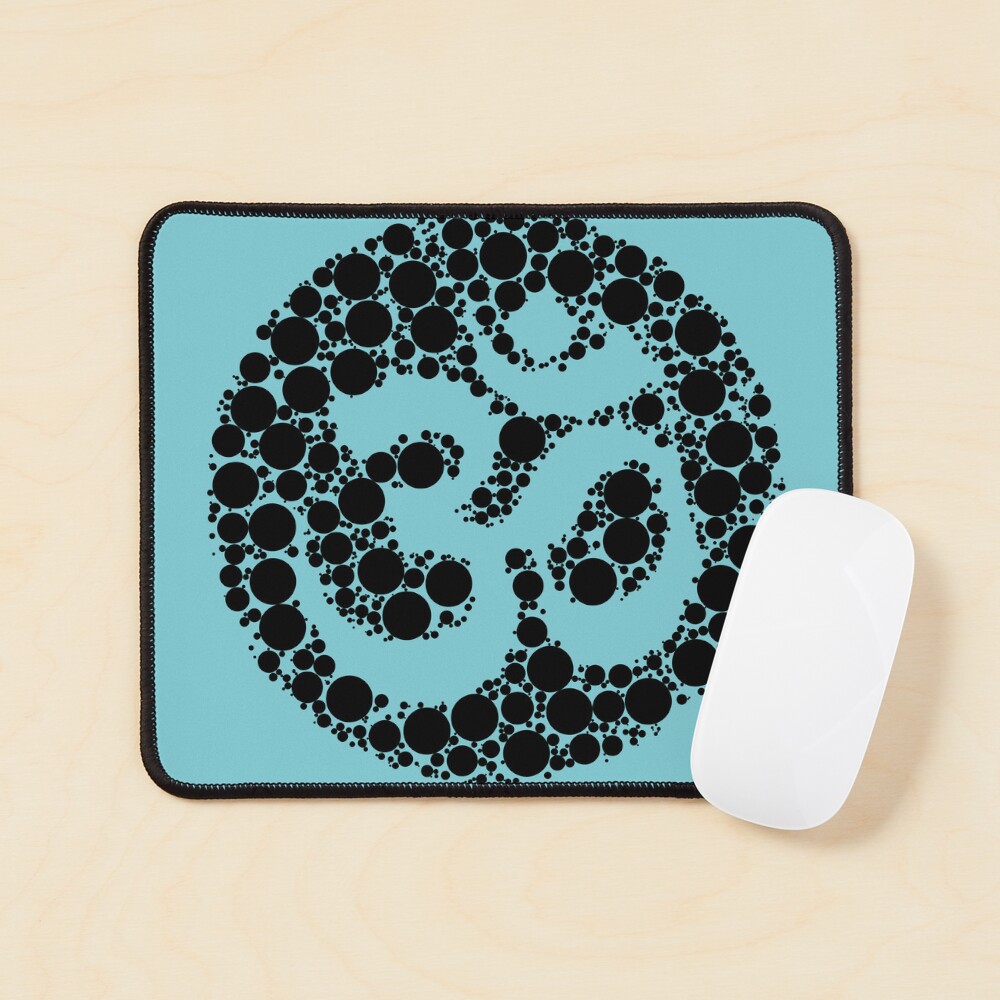
Om
Om (About this sound listen (help·info), IAST: Oṃ, Devanagari: ॐ) is a sacred sound and a spiritual symbol in Hinduism, that signifies the essence of the ultimate reality, consciousness or Atman.123 It is a syllable that is chanted either independently or before a mantra in Hinduism, Buddhism, and Jainism.45 Om is part of the iconography found in ancient and medieval era manuscripts, temples, monasteries and spiritual retreats in Hinduism, Buddhism, and Jainism.67 The symbol has a spiritual meaning in all Indian dharmas, but the meaning and connotations of Om vary between the diverse schools within and across the various traditions. In Hinduism, Om is one of the most important spiritual symbols.89 It refers to Atman (soul, self within) and Brahman (ultimate reality, entirety of the universe, truth, divine, supreme spirit, cosmic principles, knowledge).101112 The syllable is often found at the beginning and the end of chapters in the Vedas, the Upanishads, and other Hindu texts.12 It is a sacred spiritual incantation made before and during the recitation of spiritual texts, during puja and private prayers, in ceremonies of rites of passages (sanskara) such as weddings, and sometimes during meditative and spiritual activities such as Yoga.1314 The syllable Om is also referred to as onkara (ओङ्कार, oṅkāra), omkara (ओंकार, oṃkāra), and pranava (प्रणव, praṇava). Namaste In Hinduism it means "I bow to the divine in you".456 The greeting may also be spoken without the gesture or the gesture performed wordlessly, carrying the same meaning. Etymology, meaning and origins Statue in a Thai temple Namaste (Namah + te, Devanagari: नम:+ ते = नमस्ते) is derived from Sanskrit and is a combination of the word namah and the second person dative pronoun in its enclitic form, te.7 The word namaḥ takes the Sandhi form namas before the sound t.89 Namaḥ means 'bow', 'obeisance', 'reverential salutation' or 'adoration'10 and te means 'to you' (singular dative case of 'tvam'). Therefore, Namaste literally means "bowing to you".11 In Hinduism, it also has a spiritual import reflecting the belief that "the divine and self (atman, soul) is same in you and me", and connotes "I bow to the divine in you".46 In the U.S., this underlying Hindu belief is often combined with the word meanings to produce the translation, "the divine in me, bows to the divine in you".12 See also, for example, blog and Instagram posts with this usage. -Wikipedia
También está disponible en




¿Estás buscando otra cosa?
Escribe lo que quieras aquí abajo.Etiquetas relacionadas
Etiquetas para la categoría Dad hats
Esta sección contiene una recopilación de etiquetas relacionadas con el siguiente producto: Dad hat. Estas etiquetas te llevarán a una búsqueda de Dad hats relacionadas con la etiqueta correspondiente.
Etiquetas para todos los productos
Esta sección contiene una recopilación de etiquetas que te llevarán a una búsqueda de productos relacionados con la etiqueta correspondiente.
Traducido por 
Envíos a todo el mundo
Disfruta del arte independiente desde prácticamente cualquier rincón del planeta.Pagos seguros
Compra con total seguridad mediante PayPal, tarjeta de crédito o débito o Sofort.Devoluciones gratuitas
Garantía de devolución o cambio para todas las compras.Atención personalizada
Estamos disponibles 24 horas