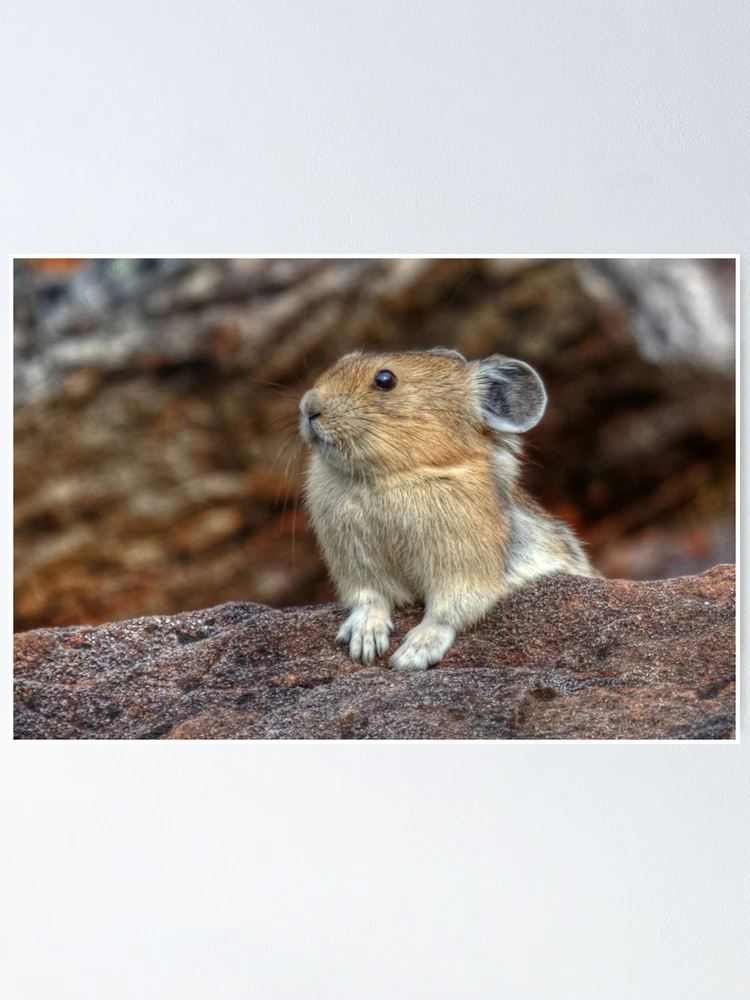


Rock Rabbit Poster

Designed and sold by James (820Photography) Anderson
$18.13
Style

PosterHeavy poster paper, semigloss finish
$18.13
 Super-easy returnsProblem? No problem. We’ll fix it, fast.
Product features
- Printed on poster paper. Extremely versatile, making it perfect for reproducing both artwork and photographs
- Custom sizes, based on artwork dimensions. Check size chart if self-framing
- Dimensions include a 1 - 2 inch (2.5 - 5.0cm) white border to assist in framing
- Shipped in protective packaging
- Since every item is made just for you by your local third-party fulfiller, there may be slight variances in the product received

Rock Rabbit
canon 7D, 100-400 @ 400, 1/640, F5, iso200 A little Pika shows off the good side. This Pika lives among a large rock slide near the shores of Bow Lake. The American pika can be found throughout the mountains of western North America, from central British Columbia in Canada to the US states of Oregon, Washington, Idaho, Montana, Wyoming, Colorado, Utah, Nevada, California and New Mexico. Pikas inhabit talus fields that are fringed by suitable vegetation on alpine areas. They will also live in piles of broken rock.78 Sometimes, they will live in man-made substrate such as mine tailings and piles of scrap lumber. Pikas usually have their den and nest sites below rock around 0.2-1 m in diameter but often sit on larger and more prominent rocks. They generally reside in scree near or above the tree line. Pikas are restricted to cool moist microhabitats on high peaks or watercourses.8 Intolerant of high diurnal temperatures, in the northern portion of their range they may be found near sea level, but in the south they are rare below 2,500 metres (8,200 ft). Pikas rely on existing spaces in the talus for homes and do not dig burrows. However they can enlarge their home by digging. Pika live in the high and cooler mountain regions, they are very sensitive to high temperatures, and are considered to be one of the best early warning systems for detecting global warming in the western United States. Temperature increases are suspected to be one cause cause of American pikas moving higher in elevation in an attempt to find suitable habitat, as well as cooler temperatures. American pikas, however, cannot easily migrate in response to climate change, as their habitat is currently restricted to small, disconnected habitat "islands" in numerous mountain ranges. Pikas can die in six hours when exposed to temperatures above 25.5°C (77.9°F) if individuals cannot find refuge from heat. In warmer environments, such as during midday sun and at lower elevation limits, pikas typically become inactive and withdraw into cooler talus openings. Bow Lake, Banff National Park, Alberta, Canada
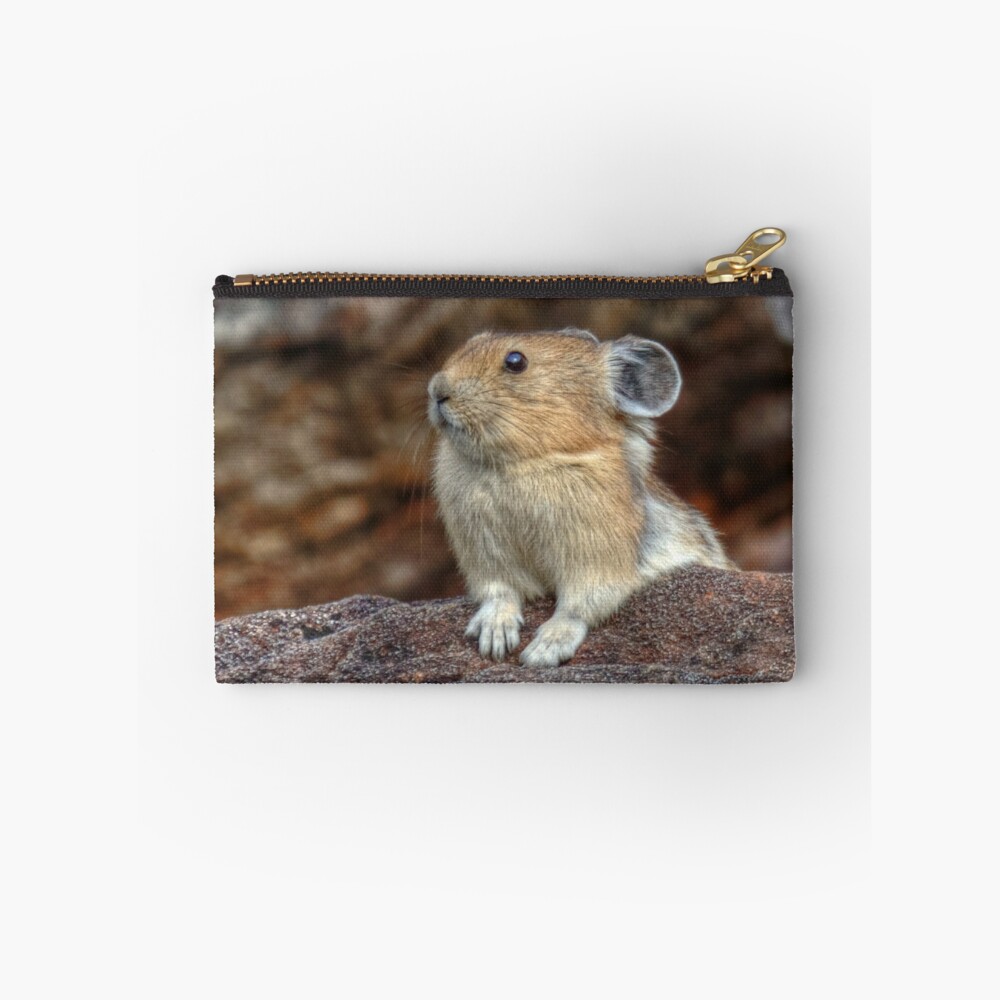
Also available on


Looking for something different?
Search below.Related Tags
Posters Tags
This section provides a collection of tags that relate to the Poster on this page. These tags each link to a search for the Posters that relate to the tag.
All Product Tags
This section provides a collection of tags that each link to a search for any products that relate to the tag.
Trending topics
This section provides a collection of tags that each link to a search for any products that relate to the tag.
Secure Payments
100% Secure Payment with 256-bit SSL encryption


