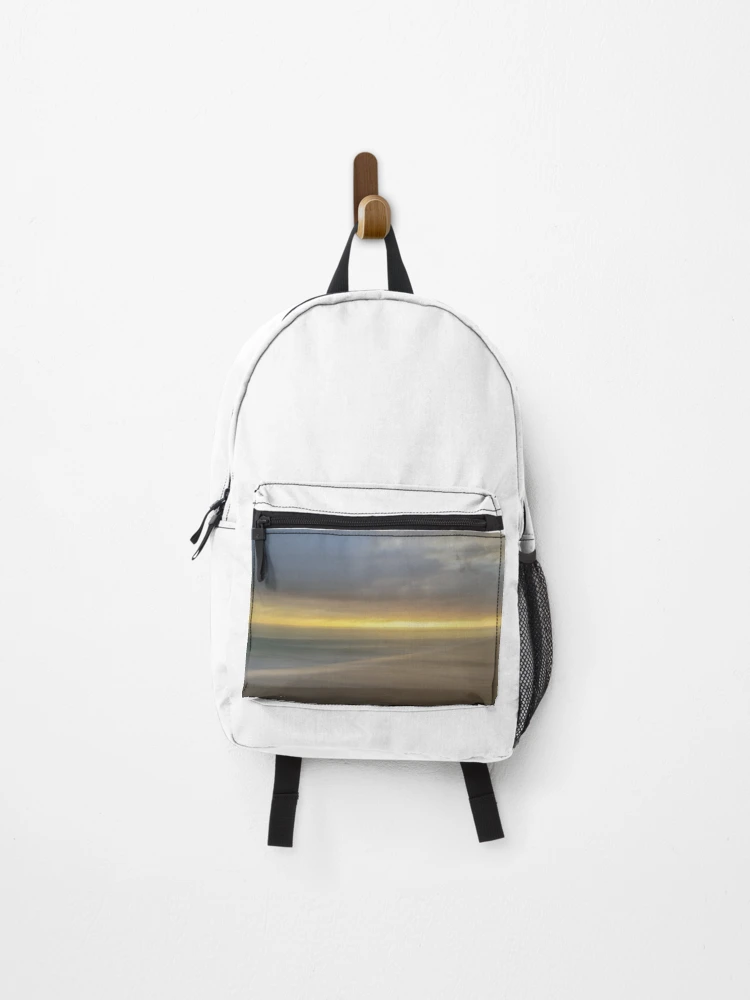


Shutterdragger Backpack

Designed and sold by Jason Tompkins
$40.79
20% off ends soon
$40.79
 Super-easy returnsProblem? No problem. We’ll fix it, fast.
View size guideFind your fit
Product features
- Carry your stuff, express yourself, keep your hands free, it's win-win-win
- Bag measures 17.7 x 11.8 x 4.9in / 45 x 30 x 12.5 cm
- Most standard laptops fit in the internal laptop pocket, which measures 13.5" x 10.5" / 34 x 27 cm
- Durable 100% polyester shell
- Vivid all-over design, sublimation printed for you when you order
- External mesh pocket and adjustable padded straps
- For a different style, check out the Drawstring Bag
- For more space, try the Duffle Bag
- Since every item is made just for you by your local third-party fulfiller, there may be slight variances in the product received

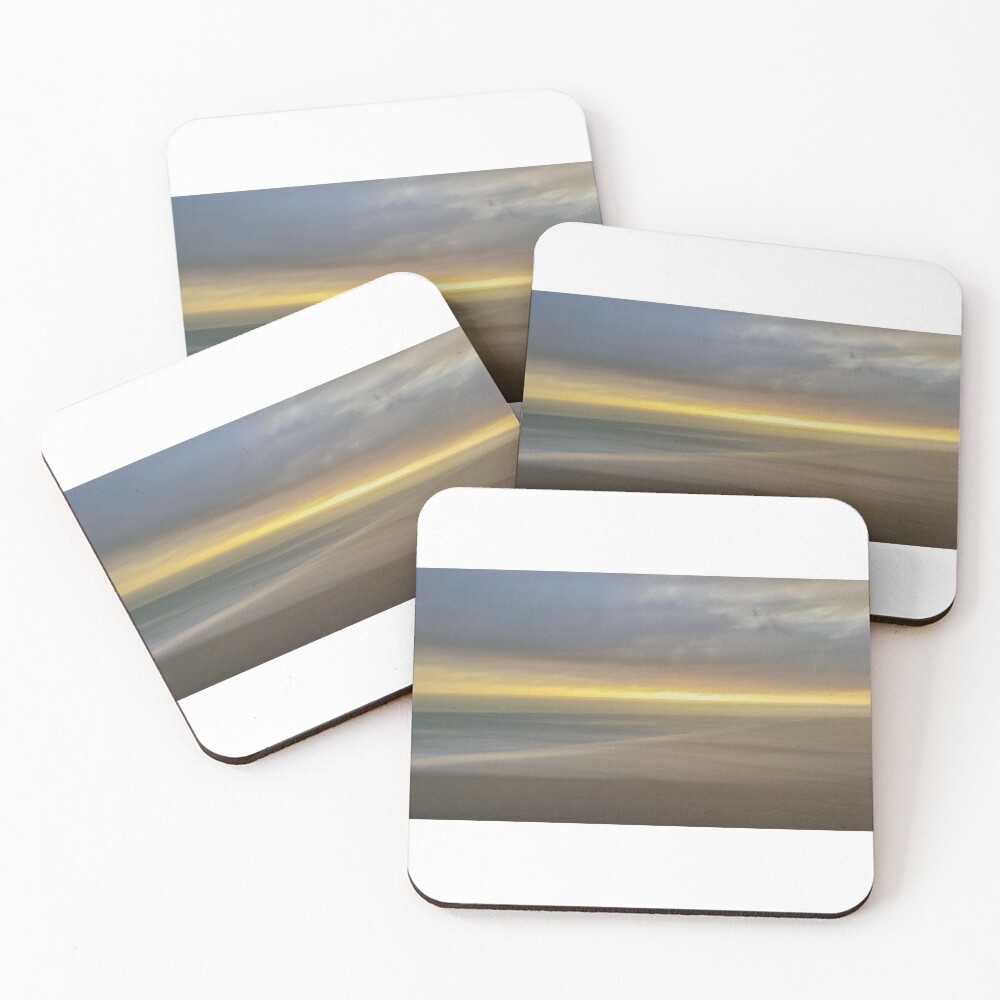
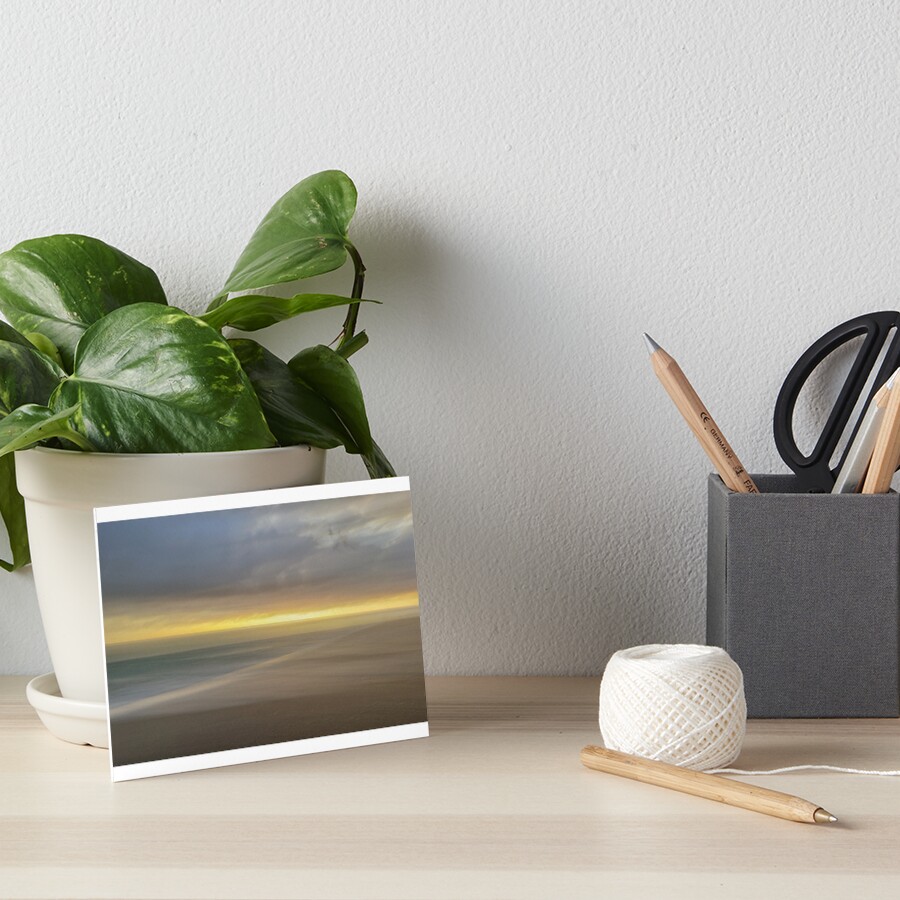
Shutterdragger
In intentional camera movement (ICM), a camera is moved during the exposure for a creative or artistic effect. This causes the image points to move across the recording medium, producing an apparent streaking in the resulting image.
The process involves the selection of an aperture and the use of filters to achieve a suitable shutter speed. Proponents experiment both with the duration of the exposure and the direction and amount of camera movement while the shutter is open. Generally exposures of 1/20 to 1/2 second give the best results and an optimum seems to be 1/8 of a second to retain the shape of the subject, but strip away surface detail. The effect depends significantly on the direction that the camera is moved in relation to the subject as well as the speed of the movement.
If light levels are high, the use of neutral density filters will reduce the light entering the lens, thus enabling the exposure to be extended. A polarising filter can also be fitted to the lens. This has a dual effect of reducing reflections within the image and reducing the light by about two stops. Photographers set the camera's ISO setting to the lowest available on the camera (commonly 100), as this reduces the camera's sensitivity to light and so gives the slowest possible shutter speed.
The direction of movement of the lens has a dramatic effect on the results. Patience is required, along with much experimentation, to establish where and how to move the camera to achieve the desired effect. The camera can be moved upwards, downwards, to the right or left or away from or towards the subject while being handheld. The camera may also be turned, angled, and rapidly moved back and forth.
Also available on









Looking for something different?
Search below.Related Tags
Backpacks Tags
This section provides a collection of tags that relate to the Backpack on this page. These tags each link to a search for the Backpacks that relate to the tag.
All Product Tags
This section provides a collection of tags that each link to a search for any products that relate to the tag.
Trending topics
This section provides a collection of tags that each link to a search for any products that relate to the tag.
Secure Payments
100% Secure Payment with 256-bit SSL encryption


